Me, You and the Dog — Brand-Aligned Preview (NOT LIVE)
Preview Available

Me, You and the Dog

Sometimes the thing standing between two people isn’t the thing you think it is.

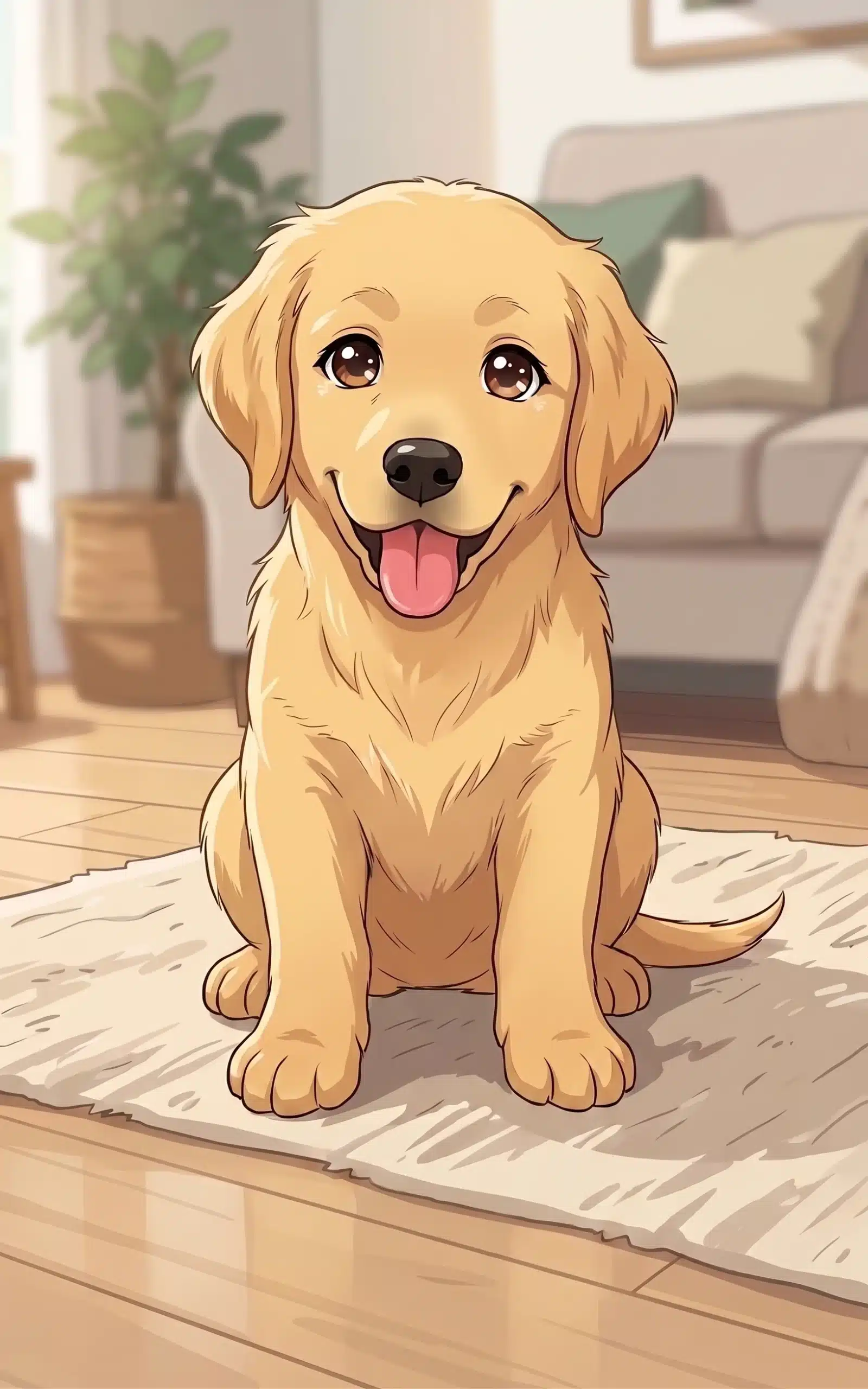
Book cover for Me, You and the Dog: an illustrated couple sitting back-to-back on a couch with a golden retriever puppy between them

A story about fear, love, relationships, and one dog who was never really the problem.

GET THE FULL BOOK ON AMAZON

A Dog. A Relationship.
A Fear He Can’t Explain.

Ben is afraid of dogs.

Not in the dramatic, obvious way. He doesn’t know exactly why. He hasn’t been bitten. There isn’t one terrible childhood incident he can point to.

But when Hazel enters his life, his fear becomes impossible to ignore.

Because Hazel isn’t just a dog.

She’s the dog his partner loves.

And suddenly Ben has to figure out how to live with something he can’t simply avoid — if he wants to build a life with the woman he loves.

This Isn’t Really a Story About a Dog

He Thinks the Problem Is Hazel.

  • So he researches.
  • He makes lists.
  • He builds plans.
  • He tries exposure.
  • He finds a trainer.
  • He tries harder.

And for a while, it works. Until it doesn’t.

Because the closer Ben gets to understanding his fear, the more he begins to realize that the dog may only be the thing his fear has attached itself to.

What are you actually afraid of losing?

Characters

The People — and the Dog

Three lives, one fear, and a dog who becomes the center of the story without ever really being the reason for it.

Literary sketch illustration of Ben

Ben

A man trying to understand a fear he has spent years avoiding.

Literary sketch illustration of Ben's partner

His Partner

The woman who loves Ben, loves Hazel, and refuses to reduce either of them to the problem.

Literary sketch illustration of Hazel the dog

Hazel

A dog who becomes the center of the story without ever really being the reason for it.

How the Story Moves

The Emotional Journey

Six stages, one relationship, and a question Ben spends the whole book learning how to ask.

Fear

He knows something is wrong, but he doesn’t know why.

Trying

He researches, plans, practices, and tries to fix the obvious problem.

Breaking Point

The fear starts affecting the relationship itself.

Looking Deeper

Someone finally asks the question nobody had asked before.

Understanding

Ben begins to see what Hazel has been standing in front of all along.

Choosing

Not perfection. Not certainty. Just the decision to keep moving forward.

What the Book Explores

This Isn’t Just a Story About a Dog.

Fear

The things we avoid when we don’t understand what we’re really protecting ourselves from.

Love

Not perfect love. Real love — with arguments, uncertainty, compromise, and choosing each other again.

Relationships

How unspoken fears can slowly become relationship problems.

Loss

How old grief can quietly shape the things we’re afraid of today.

Healing

What happens when we stop trying to simply eliminate fear and begin understanding it.

Read the Preview

Enter the Story

Start with the beginning of Ben’s story. Meet Hazel. Meet the woman who changes his life. And discover how a seemingly ordinary backyard gathering becomes the beginning of something neither of them saw coming.

Free Preview

Me, You and the Dog

Author’s Note

This story is fictional. The problem is real.

No one in this book existed. The couple, the dog, the house, the fight that nearly ends it — all invented. What isn’t invented is the situation they’re in: the fear one partner hides and the other partner half-notices, the fix that holds for a while and then quietly doesn’t, the thing that finally has to be said out loud before it’s too late to say it.

Every claim this book makes about how that works comes from research, or from professionals who spend their careers helping people through exactly this. At the back you’ll find the twenty-two reasons people end up where Ben was — only one of which is actually his — sorted into the five groups he works out in Chapter Four, along with a note on where the research comes from. I made up the people so I could tell you the truth about the problem.

Prologue

Kid, Let Me Tell You About the Dog

Okay so — you know the thing I do? Check where Hazel’s at before I sit down? You caught it at dinner the other night. Meatloaf night. Dead serious, like a detective. “Why do you do that.” Whole table stopped. Mom just sitting there loving every second of it.

I told you I didn’t know. Total lie, obviously. You weren’t buying it, and Mom definitely wasn’t buying it, and I lay awake half that night knowing I owed you a better answer than the one I gave at the table. So I’m doing the thing I should’ve done a long time ago. I’m writing it all down for you — the whole story, start to finish — so that when you’re old enough to really read it, you’ll have the true version and not the shrug I gave you over the meatloaf.

Thirteen years I’ve been doing that, one dog or another. Didn’t even know I still did it till you said something.

Hazel’s fine, for the record. Twelve now. Old lady. Sleeps under the table basically all day. Never done anything to anybody, not once. Doesn’t matter — I still check. Every time. Force of habit at this point.

Here’s the story, then. My version. And fair warning going in: your mom’s going to want to correct about half of it, and she won’t be entirely wrong to.

Ten years married. Hazel’s slept at the foot of our bed for nine of them. Wasn’t always like that, though. Told your mom, way back — a few months in, even — that dogs make me nervous. And we worked on it. Actually got better. I thought, genuinely thought, we’d fixed it.

We had not fixed it. Took two more tries before I told her the whole thing. Three times I got it wrong, all told, which she has never once let me forget, and which you’ll understand better later, when we get to the part with the crib.

Anyway — this isn’t really a dog story. I mean, there’s a dog in it, obviously. But really it’s just — I was thirty-six before anybody knew the actual reason. Not your mom. Nobody. Turns out not saying stuff for that long gets expensive.

So. How I met your mother. She showed up with a puppy.

Chapter One

The Girl With the Puppy

Okay so. Rewind. Thirteen years back, more or less.

A guy I knew from work was having people over. Backyard thing, nothing fancy, folding chairs, somebody’s bad playlist. I almost didn’t go. I want that on the record, actually, because your mom will bring this up eventually if I don’t: I almost didn’t go.

And then this woman walks in through the side gate carrying a puppy like it’s the most normal thing in the world to just bring a puppy to a party, and I remember thinking, before I even really registered her face — huh, that’s a lot of puppy for one person to be holding.

Turned out she was fostering. Some rescue thing, three weeks in, puppy wasn’t even hers technically, she just couldn’t leave it home alone yet. She set it down in the grass and it went straight after somebody’s flip-flop like it owed the flip-flop money, and she laughed — this real laugh, not a party laugh — and that was kind of it for me, honestly. The puppy did nothing for me. She did everything.

I want to say I walked over smooth. I did not walk over smooth. I walked over holding a can of something I wasn’t even drinking, and I said, and I quote myself accurately here because I’ve never once been allowed to forget it — “Is that a dog.”

“It is a dog,” she said. Not even looking up from the puppy. “Good eye.”

That’s your mother. That’s been your mother the entire time I’ve known her, by the way. Instantly funnier than me, always, no exceptions.

We talked for — I don’t know, an hour? Two? Time got weird. She told me about the fostering thing, how she’d done it three times now and cried giving every single one back and kept doing it anyway. I told her I did something with structural stuff at work, which is the most boring possible way to describe my job, and she said “so like, buildings,” and I said “yeah, buildings,” and she said “cool, buildings,” completely deadpan, and somehow that was one of the funniest things anyone had said to me in a year.

She got my number by asking for it directly, which I was not expecting and did not handle with any dignity whatsoever. “You gonna ask for my number or should I just write it on your hand,” she said, and I said something like “uh, yeah, that, the second one,” and she actually did write it on my hand, in pen, like we were in a movie made in a decade neither of us was alive for.

First real date, few days later — I took her to this Italian place that’s not there anymore, tiny, maybe eight tables. Got there twenty minutes early because I was that nervous. She got there ten minutes early because, her words, “didn’t want to seem like I was making you wait, even though technically I wasn’t the one who’d be waiting.” Three hours, that dinner. Closed the place down. Owner started stacking chairs around us and we didn’t even take the hint for a while.

This is the part I don’t love telling, just so you know. Not because anything bad happens. Guys just aren’t really built for narrating the mushy parts out loud to their own kid, it turns out, so bear with me.

I liked her. Not in the normal, early-dating, let’s-see-where-this-goes way. In the way where you drive home after and your chest feels weird and you don’t have a better word for it than weird. And I want to tell you I called her the next day, rode that feeling straight into something real, but that’s not what happened.

What happened is I got quiet. Told myself I was busy. Told myself I’d call in a couple days, once things settled down at work — which, they were not particularly unsettled at work, I just needed a reason. A couple days turned into a week. A week turned into three. I’d pick up my phone, get as far as her name in my contacts, and put it back down, and I genuinely could not have told you why, not then. Looking back now — yeah. I can tell you why now. I just didn’t have the words for it at the time. All I knew was, I liked her enough that it scared me a little, and my solution to being scared, even back then, even before any of this, was to just — go quiet. Which, you’ll notice, is going to be a theme.

She didn’t call either, for what it’s worth. Told me later she almost did, twice, and talked herself out of it both times, figured she’d read it wrong, figured a guy who liked you called within a week. So there we were. Two people who’d had maybe the best first date either of us could remember, both of us just letting it evaporate out of pure nerves, neither one of us saying so.

Then — and this is the part that always gets your mother to smile, every single time I tell it, even after thirteen years — I saw a flyer for an adoption event. Rescue org, some Saturday, dogs in little vests set up in a parking lot. I wasn’t even thinking about her specifically. I told myself I wasn’t. I just kind of ended up there.

She was running one of the tables.

We just looked at each other for a second. Neither of us said anything smooth. She finally goes, “You gonna ask for my number again, or should I just—” and I said “I still have it. I just.” And she said “Yeah. Me too.” And that was the whole conversation, basically, right there in a parking lot full of dogs in vests, both of us just standing there grinning like idiots, three weeks of silence undone in about four seconds.

We didn’t go quiet like that again for a long while after that — not the same kind, anyway. There’s a different kind of quiet that shows up later in this story, worse than that one, but that’s not this part yet.

I did mention, early on, that I’d had a dog when I was a kid. Just once, in passing, one of those conversations where you’re trading childhood stuff back and forth. “We had one, once,” is basically what I said. Didn’t get into it. She didn’t push. I remember being a little surprised she didn’t push, actually — most people ask a follow-up question there. She just sort of nodded and moved the conversation along, like she’d clocked something and decided not to poke it yet.

I didn’t think about that again for a long time.

Anyway. That’s how I met your mother, lost her for three weeks through no fault but my own, and got her back in a parking lot. I’ll tell you the part where it gets complicated soon enough — but I wanted you to have this part first, the actual beginning, before any of the rest of it. Because whatever else is coming, this is the part that was never in question. I liked her immediately. I liked her enough to panic about it, if we’re being honest, which — yeah, that’s also going to be a theme. Everything else in this story is just what happens after you already know that part is true, and you still, somehow, almost manage to mess it up.

Chapter Two

The Right Time

So we’re a few months in now. Good few months. The kind where you stop counting how long it’s been because you’ve stopped needing the number to know it’s real.

And somewhere in there, she starts fostering again. Different dog this time — not the little sleepy one from the party, this one’s older, maybe a year, full of it, the kind of dog that greets you like you’ve been gone a decade even if you were just at the mailbox. And she has him at her place a lot, obviously, because that’s where he lives now, and I’m at her place a lot, because that’s where she lives, so you can do the math on how that went.

First few times, I did what I’d apparently already decided, somewhere back at that party, was my whole strategy going forward: act normal, stay a little bit out of reach, laugh at the right moments. I got good at it fast. Sit on the far end of the couch. Keep a hand free. Never actually say no to anything, just — angle myself so I didn’t have to.

I remember one night specifically. We were watching something, and the dog jumped up between us, no warning, the way dogs do, like gravity doesn’t apply to him personally, and my whole body did this thing — heart, chest, all of it, just lit up for a second — before my brain even caught up and told me nothing was actually happening. She didn’t see it. I made sure of that. But I felt it, and I remember sitting there afterward thinking, okay. This isn’t going away on its own.

Here’s the thing you have to understand, and I want to be really clear about this part, because I’ve heard it get twisted a hundred different ways over the years — somebody at a barbecue, years later, who heard half the story and got the wrong idea. I never once thought about asking her to give him up. Not for one second. Not that dog, not any dog, not ever. That wasn’t on the table for me, even back then, even before I really knew why it mattered so much to her. I liked her too much to even let that thought finish forming. If anything, it was the opposite problem — I liked her so much that giving up dogs, entirely, myself, forever, would’ve been an easier ask than losing her over this.

So it wasn’t a “her or the dog” thing in my head. Never was. It was just — I’ve got this thing going on, and I don’t fully understand it myself yet, and I need to say something before it turns into a bigger thing than it has to be. That was the whole calculation. Simple, really, laid out like that. Took me about six weeks to actually act on it.

I kept picking moments and un-picking them. Dinner was always too nice to wreck. A drive was too weird, too captive, nowhere to look but the road. I got as far as “hey, so, there’s something kind of—” exactly once, on a random Tuesday, before the dog did something unrelated and hilarious and the moment evaporated and I let it. On purpose. I want to be honest about that part. I let it evaporate on purpose, more than once.

What finally did it wasn’t even a big moment. That’s the part that always surprises people when I tell it. No crisis, no incident, nothing dramatic. We were just lying around on a Sunday, dog asleep on the floor for once, actually asleep, not launching himself at anything, and it was quiet, and easy, and I remember thinking — if I don’t say it now, in this exact quiet easy moment, I’m going to keep finding reasons, forever, and eventually the reason’s going to run out and it’s going to come out sideways instead, at a worse time, in a worse way. So I just said it.

“So I gotta tell you something. It’s not bad, or — I don’t think it’s bad. I just haven’t said it and I should’ve said it a while ago.”

She sat up a little. Gave me that look she gives when she already knows it’s something, just not what yet.

“Dogs kind of freak me out,” I said. “Not, like, phobia-freak-out. I don’t totally know what it is yet, honestly. But it’s real, and it’s been there this whole time, and I didn’t say anything because I didn’t want it to be a thing, and now it’s kind of a thing anyway because I didn’t say anything, so.”

She didn’t say anything for a second. Longer than a second, actually. Long enough that I started talking again just to fill it, telling her I wasn’t asking her to change anything, that this was mine to figure out, not hers to fix, that I just needed her to know.

When she finally did say something, it wasn’t what I was braced for, but it also wasn’t the easy thing either. Your mom will tell you, if you ask her, that she was disappointed. Her word, not mine. Not because of the fear itself — she didn’t care about that part, not really — but because I’d sat on it for months while she’d been bringing dogs around like it was nothing, like it was safe to, and it hadn’t been, not fully, and she hadn’t known that, and finding out after the fact felt like finding out she’d been operating with information I had and she didn’t.

“I just don’t know what this means,” she said. Not mean. Just honest. “Like — is this a today thing, or is this a forever thing. I don’t know which one I’m supposed to be worried about.”

I didn’t have a good answer for that. Told her I didn’t know either, which was true, and probably not what she wanted to hear, but it was the only real thing I had.

She didn’t walk away from it. I want you to know that part clearly. She was rattled, and a little hurt, and completely unsure how it was going to go — but she didn’t walk. She said something like, “Okay. Well. We’ll figure it out, I guess,” in this voice that wasn’t fully convinced of her own sentence, and that was somehow more meaningful to me than if she’d said something confident. She wasn’t pretending to know how this ended. She just decided to stick around and find out.

That’s the whole first conversation. Not clean. Not some movie moment where everything gets resolved in one scene. Just two people, a sleeping dog on the floor, and a problem that was now, for the first time, sitting out in the open where both of us could actually see it.

I felt great about it for about a week. Then it occurred to me that telling somebody a thing is not the same as doing anything about it, and that she was almost certainly going to notice the difference before I did.

Chapter Three

Apparently There’s a List for Everything

Here’s a thing I didn’t clock at the time and only understood later, mostly because your mom told me straight out, years after the fact, in the specific tone she uses when she’s about to make me feel like an idiot in the nicest possible way.

After I told her, she started doing this thing. Small thing. She stopped bringing the foster around as much when we were hanging out at her place. Not every time — she wasn’t dramatic about it, wasn’t making some big statement — just, if she had a choice between the dog being out in the living room with us or in the other room with a chew toy and the door mostly shut, she’d pick the second one, more often than not, and never once mention that she was picking it.

I noticed. Took me a while to say anything about it, because I didn’t want to make a thing out of a thing she wasn’t making a thing out of, if that makes sense. But I noticed.

Her side of it — and I’m quoting her here, more or less, from a conversation we had years later — was that it made her feel good, doing that. Not in a martyr way. More like proof, to herself, that she was capable of caring about somebody enough to adjust for them without resenting it. She said she caught herself thinking about me differently around then. Softer, was her word. Said some quiet part of her had been waiting to see what kind of guy I actually was once something wasn’t easy anymore, and apparently I was passing that test without knowing I was taking it.

She’ll also tell you — and she’s never once let me off easy on this point — that she was a little aware, somewhere underneath it, that “he’s trying” isn’t the same as “it’s solved.” She filed that away too, quietly, the way you do with things you’re not ready to look straight at yet.

Anyway. About six weeks after I told her, I brought it up again. Not the fear itself this time — the what-do-we-actually-do-about-it part.

Six weeks. Same as before. I didn’t notice that at the time and your mom absolutely did, and if you’re keeping score at home, that’s twice now I’ve sat on something for a month and a half before saying it out loud. It’s going to happen again. I’d tell you to watch for it, but honestly, by the end of this you’ll be able to set your watch by me.

“I looked some stuff up,” I told her. This was a Thursday, I remember, because we’d ordered from the place that’s only open Thursdays for some reason. “There’s kind of a whole — menu. Of things people do about this.”

“A menu.”

“Options. There’s options. I made a list, actually.”

She just looked at me for a second, in that way she has, like she’s deciding whether to laugh at me or with me, and then decided, generously, on with me.

“Okay. Hit me.”

“So there’s the vet route. Which — I don’t know exactly what that gets us, honestly, since it’s not like I’m allergic or anything, but apparently vets deal with this more than you’d think, people who are weird around dogs, they’ve got advice. There’s trainers. Actual professional dog people, who I guess work with the human half as much as the dog half sometimes. There’s just, like, a regular therapist, for the fear itself, if it turns out to be more than a habit. There’s — and this one made me feel a little dramatic just reading it — psychiatrists, if it’s, I don’t know, wired in deeper than that. And then there’s the couples kind. Counseling. Which felt like a big swing for eight months in, but it was on the list, so I’m reporting it.”

“You made an actual list.”

“I made an actual list.”

She took the paper out of my hand — yes, I’d written it on paper, don’t ask me why, I think some part of me needed it to feel official — and read it over, and I watched her go from amused to something a little more serious.

“I don’t think we need the big guns yet,” she said. “No offense. I just mean — we’re eight months in, and you told me the truth, which is the part that actually matters, and I don’t think the answer to that is immediately booking you into therapy like it’s a five-alarm situation.”

“So what, then.”

“So we start small. We figure out what actually happens in your body when he’s around, and we do a little at a time, on purpose, instead of you just gritting your teeth and hoping it goes away. And if that doesn’t work — then we go down the list. In order. Vet, trainer, whatever’s next. But we don’t skip to the end because you’re anxious about being anxious.”

Which, when she put it like that, sounded exactly right, and also exactly like something I should’ve thought of myself, and didn’t, because apparently my instinct under pressure has always been to reach for the biggest, most official-sounding solution instead of the obvious next one. You’ll see that instinct come back around later in this story, by the way. Bigger stakes, same instinct. I wasn’t done learning that lesson at eight months in. Wasn’t close, actually.

But for then, for that Thursday, we had a plan. Small one. Ours.

What I didn’t tell her — because I didn’t think it counted as anything, and because it hadn’t happened yet — was how far down I was about to go. She thought I was going to read a few articles. So did I.

Chapter Four

Know Your Reasons

Okay so “figure out what actually happens in your body” sounds simple when your girlfriend says it across a couch on a Thursday. Doing it is a different animal. Pun intended, sorry, I’ll allow myself one.

I started where everybody starts everything now, which is just — typing stuff into a search bar at eleven at night and seeing what comes back. First thing I typed, and I’m not proud of this, was something like “why am I scared of dogs but I’ve never been bitten.” Figured that one out fast — you’re not alone, apparently, not even close. There’s a genuinely enormous amount of people out there quietly dealing with some version of this, way more than I expected, which honestly made me feel less like a weirdo about thirty seconds in.

I fell down that hole for weeks. Forums, comment sections, some actual research papers I only half understood, a bunch of articles that all basically said the same three things in different fonts. And here’s the thing that actually mattered, the thing that changed how I thought about the whole situation — it’s not one thing. Being scared of a dog. There’s not one reason. There’s a bunch, and they’re not the same, and the advice that works for one kind does basically nothing for another kind, which nobody tells you, which is exactly why so many people online sounded so frustrated. Same sentence, over and over, different words: I’ve tried everything and nothing works. Except a lot of them, if you read close, hadn’t actually tried everything. They’d tried one thing, over and over, really hard, and it just happened to be the wrong thing for them specifically.

So I started sorting what I was reading into piles. Actual piles, in a notes app, because that’s apparently who I am as a person.

Pile one was the normal kind — the kind everybody assumes it is. Something happened, or something got taught to you, and your body just reacts now. Guy on one forum described getting knocked flat by a neighbor’s dog at six years old and said he still, thirty years later, flinched at anything bigger than a beagle. Somebody else said her mom used to grab her hand and cross the street any time a dog showed up, no explanation, ever, and she picked up the fear like secondhand smoke, no bite required. A few people said they didn’t have any story at all, just always felt this way, far back as they could remember, and honestly reading that one gave me a weird little chill, because — yeah. Kept that one bookmarked, if I’m being honest. Wasn’t sure why yet.

Pile two surprised me the most, because I hadn’t even considered it was a separate category. Turns out a huge chunk of what looks like fear online isn’t fear at all — it’s just straight-up disgust. Licking, shedding, cleaning up messes, dogs on the furniture. One guy wrote a whole paragraph about how he wasn’t scared, he just could not deal with hair on everything, and there wasn’t one anxious word in the entire post, just pure exhausted grossed-out energy. Somebody else talked about growing up somewhere dogs just weren’t pets — outside animals, working animals, nothing you’d let near a bed — and how weird it still felt to her, being in a culture that treats them like furniture with a heartbeat. None of that’s fear. It’s just a completely different relationship to the whole category of animal, and apparently it doesn’t respond to the same fixes at all. You can’t “get used to” disgust the way you get used to fear. Different wiring entirely.

I read that second pile out loud to your mom one night, most of it, because I was genuinely delighted with myself for having found a category I didn’t belong to.

“So that’s not me,” I said. “The disgust one. I don’t care about hair.”

“You vacuum twice a week.”

“I like a clean floor. That’s not the same as—”

“Ben, you bought a lint roller for the car.”

“Okay, that’s a different—” and then I stopped, because she was laughing at me, and because I’d caught myself doing the thing you do with a list of categories, which is shop for the flattering one. I made a note about that. Actual note, in the app, under the piles. Watch out for picking the one you’d rather have. Which is a genuinely useful thing to have written down, and which I then proceeded to completely ignore about four days later, as you’ll see.

Pile three was medical, and honestly this was the shortest pile and the most straightforward — allergies, asthma, a few people whose worry started with a pregnancy and turned out to be based on a myth they’d never actually checked. Real stuff, doctor stuff, not really relevant to me, but I read it anyway because I wanted the whole map, not just my corner of it.

Pile four got heavier. Actual PTSD, from an actual attack, which is its own separate thing from the regular fear, treated differently, more than just avoidance — nightmares, the whole deal. People with contamination stuff, rituals, obsessive thinking. And then — and this is the one I read three times and then closed my laptop for the night, because something about it didn’t sit right and I wasn’t ready to look at why — a handful of posts where people eventually figured out the dog wasn’t really the problem. Something else was going on underneath, and the dog just happened to be standing in front of it. One woman wrote, almost as a throwaway line at the end of a much longer post, “I think I’m not actually scared of the dog, I think I’m scared of how much my husband loves it.” Read that one at like one in the morning and had a weirdly hard time falling asleep after.

Pile five wasn’t fear at all. People annoyed about where they ranked next to the dog. People exhausted from doing all the actual work — walks, vet trips, cleanup — while their partner got to just enjoy having a dog. A few where the dog itself seemed to have picked a side, decided it didn’t like the new person, and everybody just sort of accepted that as gospel without questioning it much.

So that was the map. Five piles.

Then I did the thing I always do, which is turn a pile of information into a list of questions, because a list of questions feels like progress even when it isn’t. I stole the structure from about six different sources and boiled it down until it fit on one page. Sat with it one night while your mom was out — actual pen and paper again, don’t judge me — and tried to answer it honestly about myself.

Here’s the page. I still have it, which tells you something about me.

One. When you’re near the dog, what does your body actually do? Heart goes, chest tightens, you want to leave the room — that’s fear, go to two. Stomach turns, skin crawls, you want to wash your hands — that’s not fear, go to three. Eyes itch, nose runs, chest gets tight in a breathing way rather than a panic way — go to four. Nothing physical at all, you’re just irritated — go to five.

One more sort, and it cuts across everything above: is it all dogs, or only some? If you’re genuinely fine with the small ones and not the big ones, or fine with every dog except one particular shape of dog, that’s worth writing down on its own — it’s number six at the back, it sits inside the first pile, and it usually means the work is narrower than you think.

Two. If it’s fear: can you name the thing that happened? Yes, you can name the dog and the year — that’s the first pile, the one everybody assumes it is. With one exception, and it’s an important one: if you can name it and it still comes back on its own — if it shows up in your sleep, or arrives whole in the middle of an ordinary afternoon, or you’ve spent years scanning every street for a dog before you’re consciously looking — that’s not the first pile. That one’s heavier, it’s got a name, and it doesn’t respond to the same handling. It’s number sixteen at the back, and it’s worth reading before you try anything else. No incident, but a parent did this too — you learned it by watching, which counts. No incident, but you know all the statistics — you learned it by hearing. No incident ever, far back as you can remember — that’s its own thing, and so is growing up somewhere dogs simply weren’t pets. And if you can’t name an incident but the size of the thing still surprises you — if the feeling is bigger than the animal actually standing in front of you — put a mark next to that one and keep going. Don’t decide about it yet.

Three. If it’s disgust: what sets it off? Hair, licking, mess. Or noise and sudden movement — a sleeping dog is fine, a dog that might move is not. Or contact and household space, if that’s tied to how you were raised or what you believe. Note that none of these are fear, and none of them get better by spending more time around a dog. That’s the whole point of pile two.

One fork inside this one. If what follows the contact is a routine you can’t skip — washing in a particular way, a particular number of times, checking and re-checking, and you already know it’s out of proportion and can’t stop anyway — that isn’t ordinary squeamishness and it isn’t pile two. That’s number seventeen at the back, and like sixteen, it’s got its own established treatment.

Four. If it’s physical: has an actual doctor confirmed it? Allergy, asthma, or something that started with a pregnancy or a diagnosis. And if the honest answer is “never actually got tested” — that’s the single most fixable item on this entire page, and it’s a phone call.

Five. If it’s irritation: when did it start, or get worse? When you moved in together and the work landed on you. When you noticed where you rank. When this particular dog decided it didn’t like you. Or — and this one’s the trapdoor — you can’t explain why it’s this intense.

Six. Did anything change when a baby came, or was coming? If yes, you may have stacked a second thing on top of whatever you started with.

That’s it. Six questions, one page, most of a night.

Best I could tell — and I want to be straight with you, because this part matters later — I landed on pile one. The normal kind. I had this vague, soft-edged memory of a dog from when I was a kid, nothing dramatic that I could point to, no bite, no incident, just a sense that a dog had been there and then wasn’t, and I decided that was probably close enough to an explanation. Filed it under “something happened, don’t remember exactly what, doesn’t really matter, exposure should still work.” Closed the notebook. Felt pretty good about myself, actually. Felt like I’d done the responsible thing, put in the research, found my answer.

I told your mom about it over breakfast. Showed her the piles, the notes, the whole nerdy operation. She read it all the way through, quiet, and then looked up and said, “This is really thorough.”

“Right?”

“No, I mean — this is a lot of work for a guy who just met me eight months ago.”

“I like being prepared.”

“You like a lot of things,” she said, “but I don’t think ’prepared’ is the actual word for whatever this is.” Which I didn’t fully understand at the time, and honestly kind of brushed off, because I was pretty pleased with my little piles and my little answer and I wasn’t in the mood to hear that maybe I hadn’t actually landed on the right one.

She didn’t push it. Just said it sounded like a reasonable plan, pile one, exposure, slow and steady, and if it didn’t work we’d know more.

I thought I had it. I really did. I want you to remember that, going forward, because it’s going to matter — I did the research, I found the framework, and I still managed to hand myself the wrong answer, with total confidence, and it took years before I understood I’d done that on purpose without knowing I was doing it.

Anyway. We had a map, and a plan, and pile one to work with. Time to actually start.

I want to be fair to that guy, closing his notebook, pleased with himself. He wasn’t lazy about it. He did the reading. He built the framework this whole book is built on, and he handed himself the wrong answer anyway, and then spent four more years defending it.

And listen — if you’ve been reading this and quietly running those six questions on yourself, or on somebody you live with, good. Go do it properly. It’s one page and most of a night, same as it was for me, and knowing which pile you’re standing in is genuinely most of the battle, because four of the five don’t respond at all to the advice everybody gives.

But do me one favour, since I’ve got the benefit of hindsight and you don’t. When you get to the end of those questions and land on an answer that feels tidy — that arrives fast, that lets you keep everything else about your life exactly where it is — sit with it an extra day before you believe it.

Mine felt tidy. Mine showed up before I’d even finished writing the last question down. Mine let me keep every single thing exactly where it was.

The first two weeks went great, by the way. That’s the part that nearly ruined us.

End of Preview

You’ve just read the Author’s Note, the Prologue, and Chapters One through Four of Me, You and the Dog. Ben thinks he’s found his answer. He hasn’t — and the next fourteen chapters are where it costs him. Get the full book to find out how close he and his wife come to losing everything, and what it finally takes for him to tell her the truth.

Ready to Continue?

The story doesn't end here.

Get the Full Book on Amazon →

If You Like It

Your thoughts mean the world to us. If this preview resonated with you, consider sharing a review to help other readers discover the story.

Write a Review →

Going Through This, Too?

If Ben’s fear sounds a little too familiar, you’re not alone — plenty of partners carry something like this quietly. Tell us what’s actually going on, and we’ll follow up with something built around your specific reason, not generic advice.

Please share a reason and a valid email address.

Thank you for telling us. We’ll follow up soon with something built for what you shared.

A Note From Ben

“I spent a long time thinking the story was about getting over a fear of dogs.

It took me much longer to understand what the fear was actually protecting me from.”

Book Details

The Book

Format
Kindle / Ebook
Length
103 pages
Language
English
Genre
Literary Fiction / Contemporary Relationship Fiction
Preview
Available

Your Story Starts With a Question.

What are you actually afraid of losing?

Me, You and the Dog

A story about fear, love, and the things we sometimes mistake for the problem.

GET THE FULL BOOK ON AMAZON
Scroll to Top